Retaining Walls & Concrete Masonry
Strong, attractive walls that control erosion and create usable outdoor space.
Why Your Property Needs a Retaining Wall
Sloped yards create challenges. Soil erodes when it rains, making gullies and washing away your landscaping. You lose usable space because sloped areas are hard to mow, garden, or use for anything. Water runs toward your foundation instead of away from it. A properly built retaining wall solves all these problems while adding visual interest to your property.
Retaining walls hold back soil and create level areas where you can actually do something. That steep slope becomes a flat patio, a garden bed, or a play area. The wall stops erosion by holding soil in place and controlling water flow. It protects your home's foundation by directing runoff away from the building. Many Cooper City homeowners add retaining walls to make their yards more functional and attractive.
Not all walls work the same way. A two-foot decorative wall around a flower bed needs different construction than a six-foot wall holding back a hillside. Height, soil type, drainage, and local building codes all affect how we design and build your wall. That is why professional installation matters. A poorly built wall can fail catastrophically, causing property damage and safety hazards. We engineer walls correctly so they last decades without problems.
Retaining Wall and Masonry Options
We build several types of retaining walls and masonry structures. Each has advantages depending on your site conditions, budget, and aesthetic preferences. Let us walk you through the most popular options.
Retaining Wall Types We Install
- Poured concrete walls for maximum strength and durability
- Concrete block walls with various finish options
- Segmental retaining wall blocks in multiple styles and colors
- Natural stone veneer over concrete cores
- Decorative masonry garden walls and planters
- Privacy walls and screening structures
- Seat walls around patios and outdoor living areas
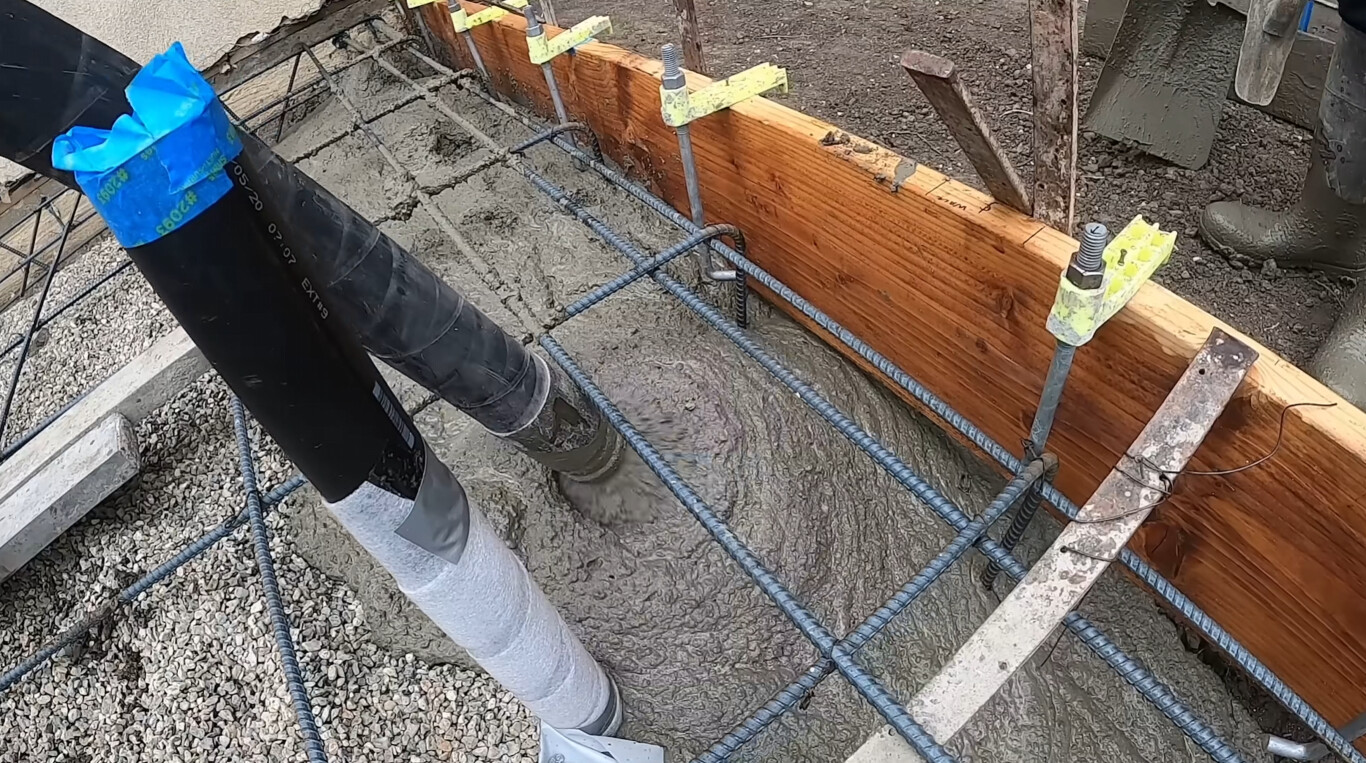
Concrete retaining walls poured on site offer the most strength and work well for tall walls or heavy loads. We build a concrete footing, set rebar and forms, then pour solid concrete. These walls can be finished smooth, stamped for texture, or faced with stone or brick veneer. They cost more upfront but provide unmatched durability.
Block walls cost less and still provide excellent strength. Concrete masonry units come in various sizes and can be filled with concrete and rebar for reinforcement. The surface can stay natural, get painted, or be covered with stucco or stone. Many homeowners choose block walls because they balance cost and performance well. We often combine retaining walls with patio installations to create complete outdoor living spaces.
Engineering for Long-Term Performance
The most important parts of a retaining wall are the ones you cannot see. Proper footings, drainage systems, and reinforcement make the difference between a wall that lasts decades and one that fails within a few years. We focus on these critical elements first.
Foundation and Drainage Essentials
Every retaining wall starts with a solid footing below the frost line. This concrete base spreads the wall's weight and prevents settling. The footing size depends on wall height and soil conditions. Taller walls or soft soil require wider, deeper footings. We calculate the right dimensions based on engineering principles, not guesswork.
Drainage might be the single most important factor in wall longevity. Water trapped behind a wall creates pressure that can push the wall over or cause it to crack. We install drainage pipes at the base, add gravel backfill for water flow, and include weep holes to let water escape. Some walls need more complex drainage systems with catch basins or French drains. We design drainage for your specific site conditions and Cooper City's heavy rainfall.
Reinforcement holds everything together. Taller walls need rebar running vertically and horizontally through the structure. The rebar gets tied together and embedded in concrete for maximum strength. Some block walls use special reinforcement systems with geogrid fabric extending back into the soil. These systems create incredibly strong walls that resist sliding and overturning. Our foundation work experience ensures your wall sits on a rock-solid base.
Our Retaining Wall Installation Process
Building a retaining wall involves careful planning and execution. We follow a systematic process that ensures your wall performs correctly and looks great. Here is what you can expect when we build your wall.
We start by evaluating your site and discussing your goals. We need to see the slope, test soil conditions, and understand how you want to use the space. This site visit helps us determine the right wall type and design. For walls over 4 feet tall, we create engineered plans and handle permit applications. Cooper City requires permits for most retaining walls, and we know exactly what the building department needs.
Next comes excavation and base preparation. We dig down to solid soil and create a level area for the footing. The footing gets poured first and allowed to cure. Then we build the wall structure, whether that is pouring forms, laying blocks, or installing segmental units. Each method has specific techniques to ensure proper alignment, strength, and appearance.
Finally, we install the drainage system, backfill with proper materials, and finish the top of the wall. Backfill happens in stages with compaction between layers. This prevents settling that could damage the wall. The finished wall gets a final inspection before we clean up the site and restore any disturbed landscaping. You get a wall that is built to last and looks exactly how you envisioned it.
Frequently Asked Questions
Ready to Build Your Retaining Wall?
Get a free site evaluation and quote for your retaining wall project.
Call (954) 686-1431