Stamped & Decorative Concrete
Get the high-end look of natural stone, brick, or tile with the durability and affordability of concrete.
What Makes Stamped Concrete Special
Stamped concrete lets you have your cake and eat it too. You get the beauty of expensive materials like natural stone, slate, or brick, but with concrete's lower cost and easier maintenance. The process involves pressing patterns into freshly poured concrete to create realistic textures that look like the real thing. Add color, and most people can't tell the difference without looking closely.
Think about what natural stone or pavers actually involve. Each piece needs to be cut, placed individually, and leveled. Joints between pieces require sand or mortar. Over time, those joints let weeds grow through, pieces can sink or shift, and the whole surface becomes uneven. With stamped concrete, you get a solid surface with none of those maintenance headaches. No weeds, no shifting, no individual pieces to worry about.
We've been providing stamped concrete services throughout Cooper City for years. The technology and techniques have come a long way. Today's stamps create incredibly realistic textures. The color options are nearly unlimited. And when done right, stamped concrete can fool even experienced contractors who expect to see real stone or pavers.
Endless Design Possibilities
The variety of patterns available today is impressive. Want the look of old-world cobblestone? There's a stamp for that. Prefer sleek slate tiles? We can do that. Like the warmth of weathered wood planks? Yes, even wood patterns are possible. Here are some of the most popular patterns we install.
Popular Stamped Concrete Patterns
- Ashlar slate: Large rectangular tiles with varied sizes, perfect for a sophisticated look
- Cobblestone: Small, rounded stones that create a classic European courtyard feel
- Flagstone: Irregular natural stone pieces for a rustic, organic appearance
- Brick patterns: Running bond, herringbone, or basket weave layouts
- Wood plank: Realistic wood grain texture that won't rot, warp, or splinter
- Seamless textures: Overall patterns without defined joints for a unique look
Color takes your stamped concrete to the next level. We use two main coloring methods. Integral color mixes throughout the concrete for consistent, long-lasting color. Color hardener applies to the surface for more vibrant, varied tones. Many projects use both methods together. A base integral color provides the primary tone, while surface color hardener adds depth and variation that mimics natural materials.
You can choose single colors for a clean, uniform look. Or combine multiple colors to create the natural variation you see in real stone or aged brick. We can match your home's exterior colors, complement your landscaping, or create something completely custom. Popular color families include earth tones like tans and browns, cool grays and charcoals, warm reds and terracottas, and even blues and greens for special applications.
How We Create Your Stamped Concrete
Stamped concrete installation requires skill, timing, and attention to detail. Unlike regular concrete finishing, stamping involves multiple steps that must happen within a tight window. The concrete needs to be firm enough to hold the pattern but soft enough to accept a deep impression. That's where experience matters. Our crew knows exactly when to start and how to work efficiently without rushing.
The process starts like any concrete project with proper site preparation, base installation, and forming. Once we pour and screed the concrete to the right level, we let it firm up slightly. Then we broadcast color hardener if you've chosen that option. The hardener strengthens the surface and adds color at the same time. We work it into the concrete thoroughly for even coverage.
Next comes the concrete stamping. We apply a release agent that prevents the stamps from sticking and adds secondary color variation. Then we carefully place and press each stamp, working systematically across the surface. The stamps interlock so the pattern flows naturally without obvious seams. This is physically demanding work that requires coordination between crew members to maintain consistent depth and alignment.
After stamping, we touch up any areas that need attention and make sure all the pattern lines are crisp and clear. The concrete then needs to cure properly. Once it has hardened adequately, we clean off the release agent residue, which reveals the final colors and textures. Finally, we apply a protective sealer that enhances the color, adds a subtle sheen, and protects the surface from stains and wear.
Where Stamped Concrete Shines
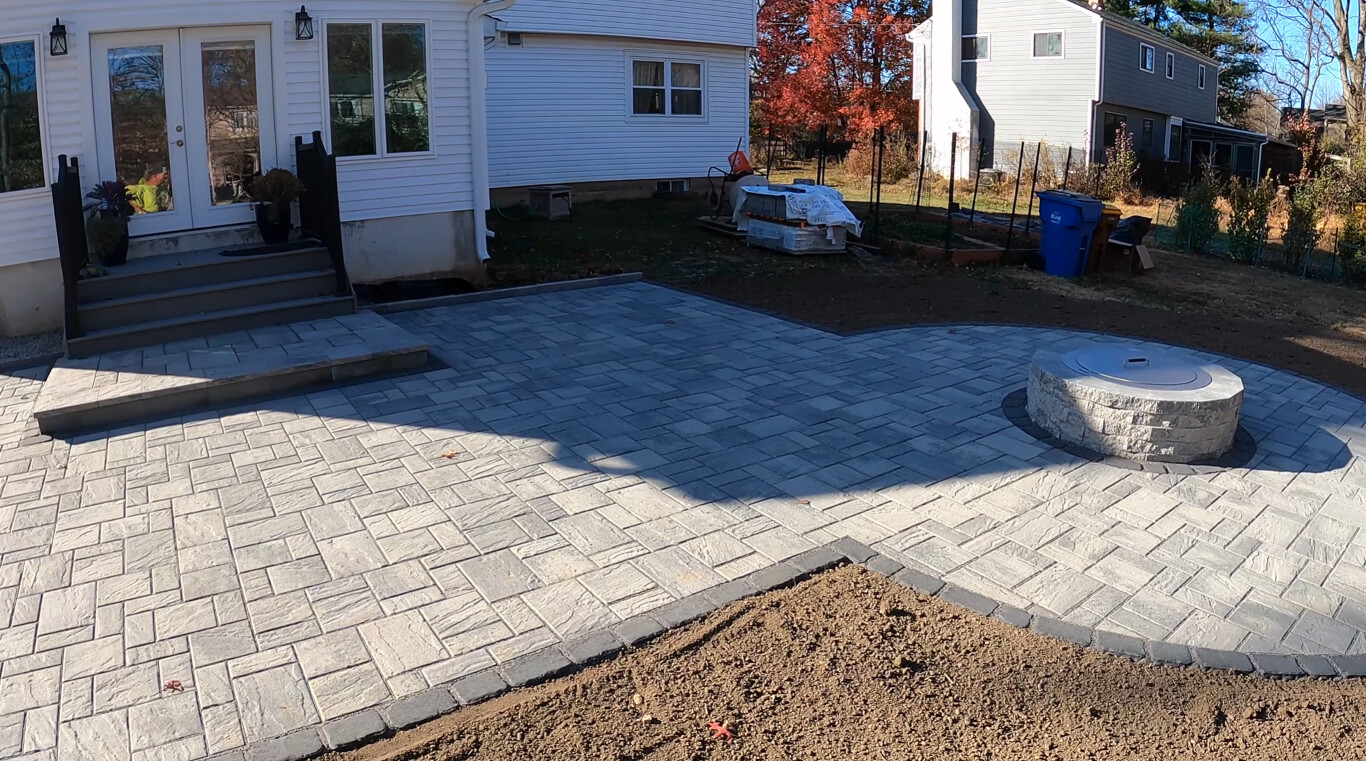
Stamped concrete works beautifully for almost any horizontal application. Patios are probably the most common use. A stamped patio can transform your backyard into an elegant outdoor living space that looks custom and expensive without the matching price tag. Pool decks are another popular application. The textured surface provides good traction when wet, and the seamless installation eliminates the uneven surfaces that can develop with pavers.
Driveways can also feature stamped concrete, though we typically recommend simpler patterns for areas that see vehicle traffic. Border treatments around a standard concrete driveway add visual interest without covering the entire surface. Walkways, entryways, courtyards, and even interior floors can all benefit from decorative concrete techniques.
Some clients choose stamped concrete for commercial applications too. Restaurant patios, retail entrances, hotel pool areas, and office building exteriors all use decorative concrete to create inviting spaces that stand up to heavy use. The durability and low maintenance make it practical for commercial settings where appearance matters but time and money for upkeep are limited.
Keeping Your Stamped Concrete Looking Great
The beauty of stamped concrete is how little maintenance it needs. Regular sweeping or blowing off debris keeps it looking clean. An occasional rinse with a garden hose removes dirt buildup. For tougher stains, mild soap and water usually do the trick. Avoid harsh chemicals or acid-based cleaners that can damage the sealer.
The sealer we apply after installation protects your concrete and brings out the color. But sealers don't last forever. Depending on traffic and exposure, you'll want to reseal every 2 to 4 years. High traffic areas might need it more often. Surfaces protected from weather and sun might go longer. We can reseal your stamped concrete when the time comes, or you can hire a local contractor to do it.
Watch for areas where the sealer has worn through and address them promptly. Resealing is much easier and cheaper than dealing with stains or damage to the concrete itself. With this simple maintenance routine, your stamped concrete will look great for decades. Many of our clients tell us their stamped surfaces still look nearly new after 10 or 15 years.