Sidewalks, Walkways & Flatwork
Create safe, attractive pathways that connect your property and boost curb appeal.
Why Concrete Walkways Make Sense
Your walkways do more than just get you from point A to point B. They guide visitors to your door, create visual flow in your landscape, and keep people safe when moving around your property. A well-designed concrete walkway adds value and function without breaking your budget.
Concrete beats other materials when it comes to durability and maintenance. Unlike pavers that shift and settle, or wood that rots and splinters, concrete stays solid year after year. Here in Cooper City, we deal with heavy rain, intense sun, and occasional freezes. Concrete handles all of it without constant repairs or replacement. You can walk on it daily, roll heavy items over it, and clean it easily when needed.
Professional concrete contractors in Cooper City know how to build walkways that last. We create proper slopes for drainage, use the right thickness for your traffic needs, and add control joints in the right places. These details prevent cracking and settling that cause problems down the road. A quality walkway installation looks good and performs well for decades.
Types of Concrete Flatwork We Install
Flatwork is any horizontal concrete surface. The term covers everything from simple walkways to large commercial slabs. Each type has specific requirements for thickness, reinforcement, and finish. Let us walk you through the most common options.
Common Flatwork Projects
- Front walkways connecting your driveway to your entrance
- Side yard paths linking different areas of your property
- Garden walkways winding through landscaped areas
- Commercial sidewalks meeting ADA accessibility standards
- Wheelchair ramps with proper slope and handrails
- Service paths for utility access or equipment
- Concrete pads for air conditioning units or generators
Front walkways get the most attention because everyone sees them. We typically make these 4 feet wide so two people can walk side by side comfortably. Side paths can be narrower, around 3 feet, since fewer people use them. Commercial sidewalks follow strict building codes for width, slope, and surface texture. We know all the local requirements and make sure your project passes inspection the first time.
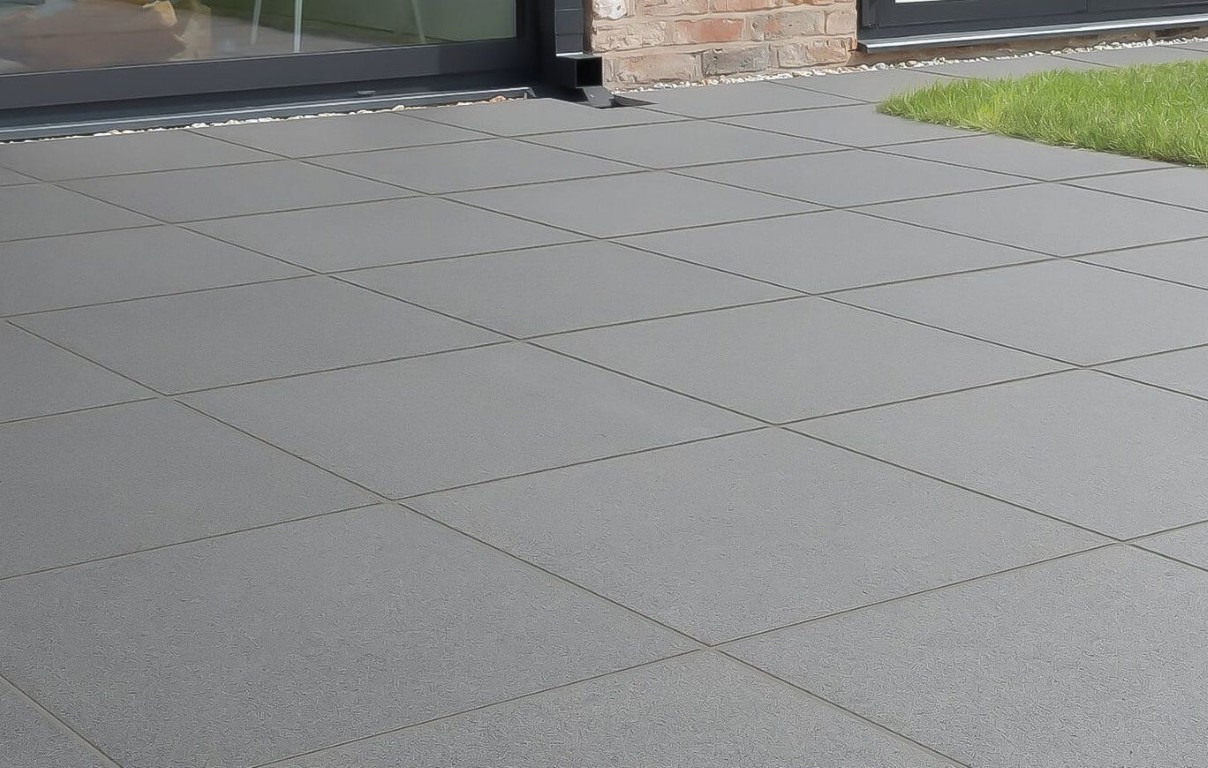
The finish you choose affects both appearance and safety. A smooth trowel finish looks sleek but can get slippery when wet. A broom finish adds texture for better traction. Stamped concrete walkways can mimic stone, brick, or tile while keeping concrete's durability. We help you pick the right finish for your needs and style.
Planning Your Walkway Design
A good walkway design considers function first, then aesthetics. You want paths that make sense for how you actually use your property. The prettiest walkway in the world does not help if it makes you walk around your whole yard to reach the mailbox.
Key Design Elements
Width matters more than most people think. A 3-foot path works for one person, but feels cramped if you are carrying groceries or pushing a stroller. Four feet gives you comfortable space and looks more proportional to most homes. If you use a wheelchair or walker, you need at least 36 inches, though 48 inches works better for turning.
Curves versus straight lines change how your walkway feels. Straight paths look formal and efficient. They work great for front walks where you want a direct route to your door. Curved paths feel more relaxed and natural. They work well in gardens or when you want to create visual interest. Curves cost a bit more because they take extra time to form, but the aesthetic payoff can be worth it.
Lighting and edging complete the look. Low-voltage path lights make your walkway safe at night and highlight your landscaping. Edging with pavers, bricks, or plants defines the borders and adds visual interest. We can incorporate these elements into your project or prep the area so you can add them yourself later. Many homeowners combine new walkways with concrete patio installations for a coordinated outdoor living space.
How We Install Your Walkway
Professional installation makes the difference between a walkway that lasts decades and one that cracks and settles within a few years. We follow a proven process that handles Cooper City's soil conditions and climate challenges.
We start by marking out the exact path and checking for underground utilities. No one wants to hit a sprinkler line or electrical conduit. Then we excavate to the right depth, usually 6 to 8 inches, depending on your soil type and what will travel on the walkway. Good base preparation prevents settling and cracking later.
Next comes the base layer. We use crushed stone or gravel, compact it properly, and make sure water will drain away from your home. This base supports the concrete and prevents the shifting that causes cracks. For paths that get heavy use or soft soil areas, we add wire mesh or fiber reinforcement to the concrete mix for extra strength.
Finally, we pour, finish, and cure the concrete properly. The finish you chose gets applied while the concrete is still workable. We cut control joints to control where any future cracks appear. Then we apply a curing compound to keep moisture in so the concrete reaches full strength. You can typically walk on your new walkway in 24 hours, though we recommend waiting a few days before driving anything heavy over it.
Frequently Asked Questions
Ready for a New Walkway?
Get a free estimate on your concrete sidewalk or walkway project today.
Call (954) 686-1431